When you think of Uttarakhand, the mind immediately drifts to towering peaks framed against an endless sky, forests of oak and rhododendron whispering in the wind, and meadows that seem to have been painted by some divine hand. For those who have ever dreamed of walking alone in these mountains, feeling the crunch of snow under their boots or the spray of mountain streams on their faces, Uttarakhand is nothing short of a spiritual homecoming.
Solo trekking here is not just about moving from one campsite to another. It is about peeling back layers of fear and doubt, embracing freedom, and finding yourself in the silence of Himalayan solitude. Every climb tests your resilience, every river crossing offers courage, and every mountain top rewards you with a proud whisper that says, “You did this, and you did this alone.”
If you’ve ever wondered where you can go solo travel in Uttarakhand, this guide is written for you. What follows are ten of the best treks in Uttarakhand, each with its own song, its own rhythm, waiting for you to walk alongside it.
Kedarkantha Trek
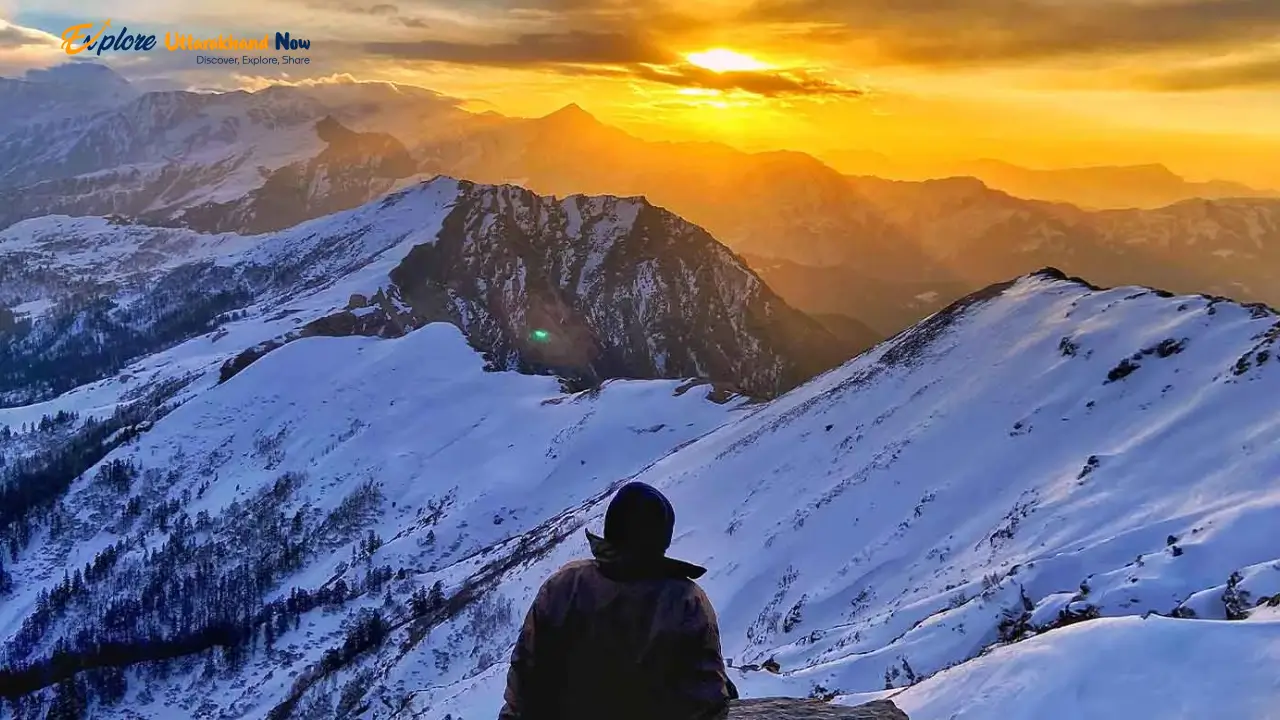
The Kedarkantha trek is often described as a rite of passage for solo trekkers. It is moderately demanding but very approachable, usually completed in about five to six days. What makes it so unforgettable is the 360-degree summit view. From the top, you see an endless line of snow peaks—Swargarohini, Bandarpoonch, and Black Peak standing tall like guardians of the Garhwal Himalayas. The campsites, especially Juda ka Talab, are magical with frozen ponds in winter and star-studded skies at night.
Solo trekker’s note: Kedarkantha has a well-marked trail with a friendly flow of fellow trekkers, making it one of the safest options if you’re venturing into solo Himalayan trekking for the first time.
Nag Tibba Trek
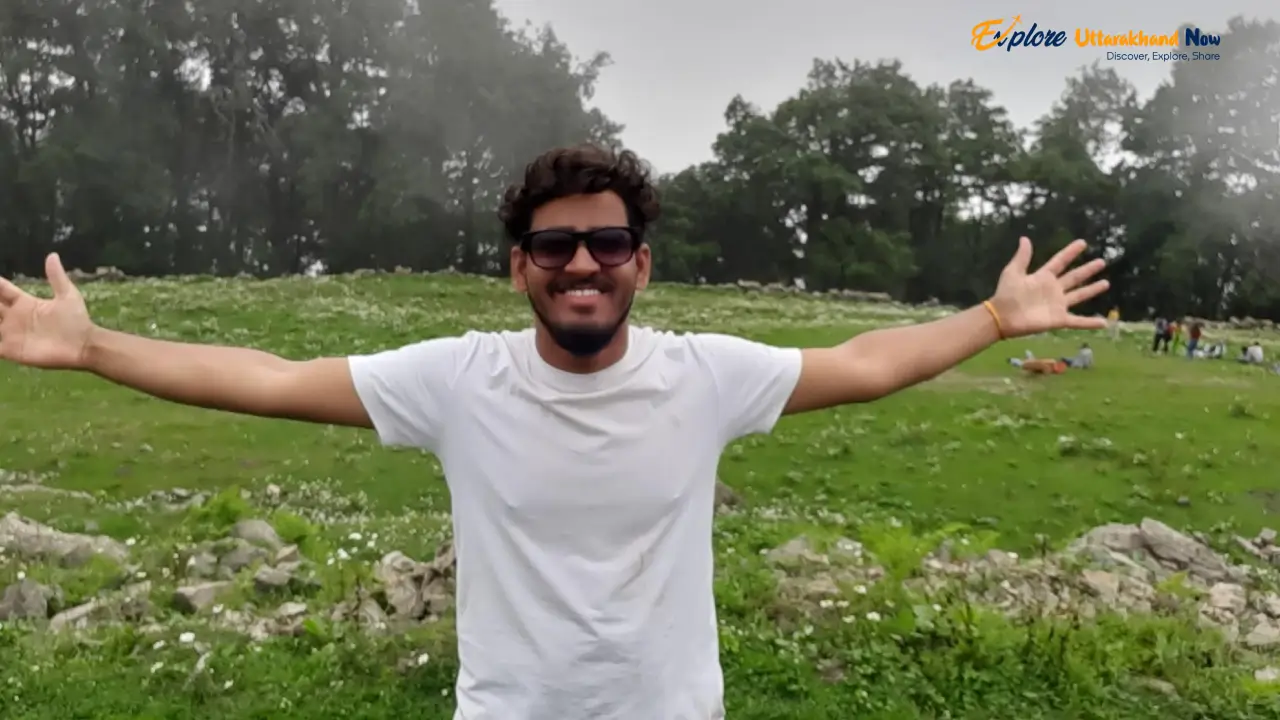
If you’re short of time but craving adventure, the Nag Tibba trek is your answer. It is friendly for beginners, completed in just two days, and requires only moderate effort. At the summit, you’ll be gifted with clear views of Srikanth, Bandarpunch, Kedarnath, and Gangotri peaks. Walking through thick oak and deodar forests, you’ll hear the wind rustle through ancient trees while village dogs sometimes trot along as your only Solo trekker’s note: Because it is short and accessible, this trek attracts many weekend adventurers. It’s a wonderful place to bump into other solo explorers while still finding pockets of solitude when you need it.
Har Ki Dun Trek
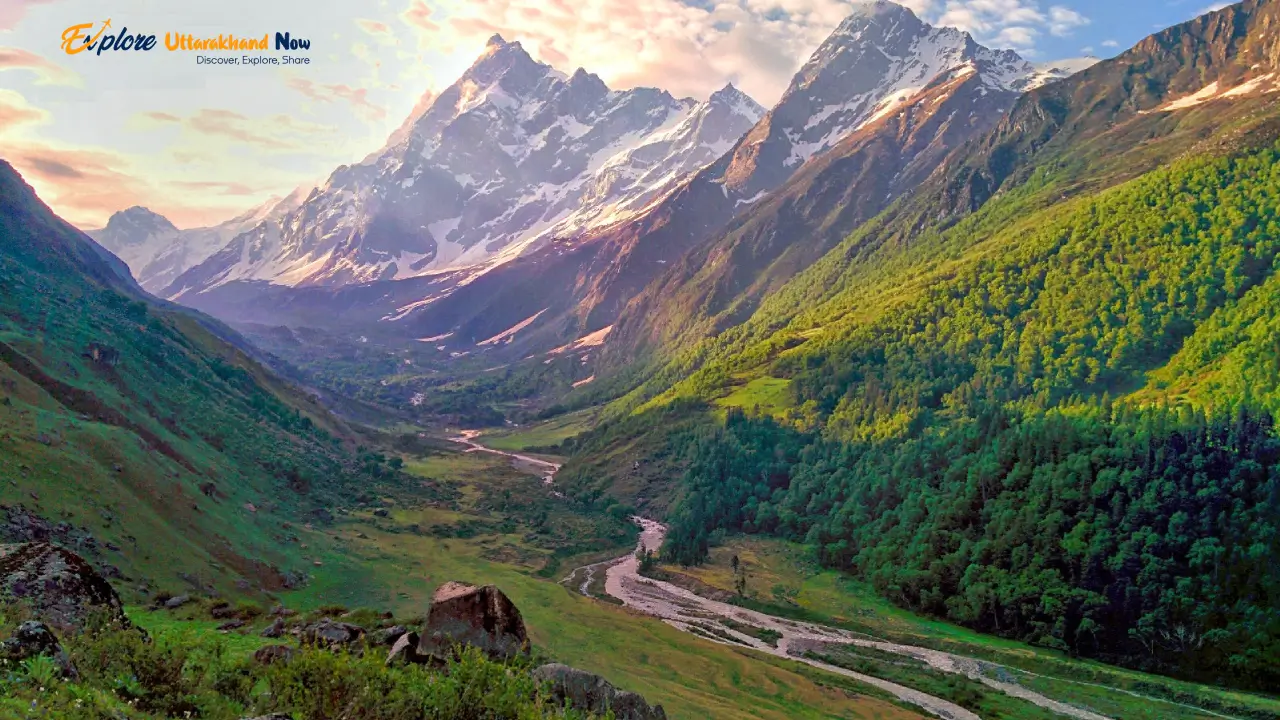
Har Ki Dun, meaning “Valley of Gods,” is where time seems to pause. This trek is moderately difficult, taking about six to seven days. The trail is a sweeping curve of meadows, river crossings, and grand snow peaks like Swargarohini. Along the way, you will pass through ancient villages where wooden homes and simple lifestyles remind you of what simplicity looks like. You will also hear countless local stories tied to Mahabharata legends.
Solo trekker’s note: The trail is longer and a bit quieter than others, so a GPS or local guide is helpful, especially if you’re solo. The reward, however, is a solitude that feels timeless.
Dayara Bugyal Trek
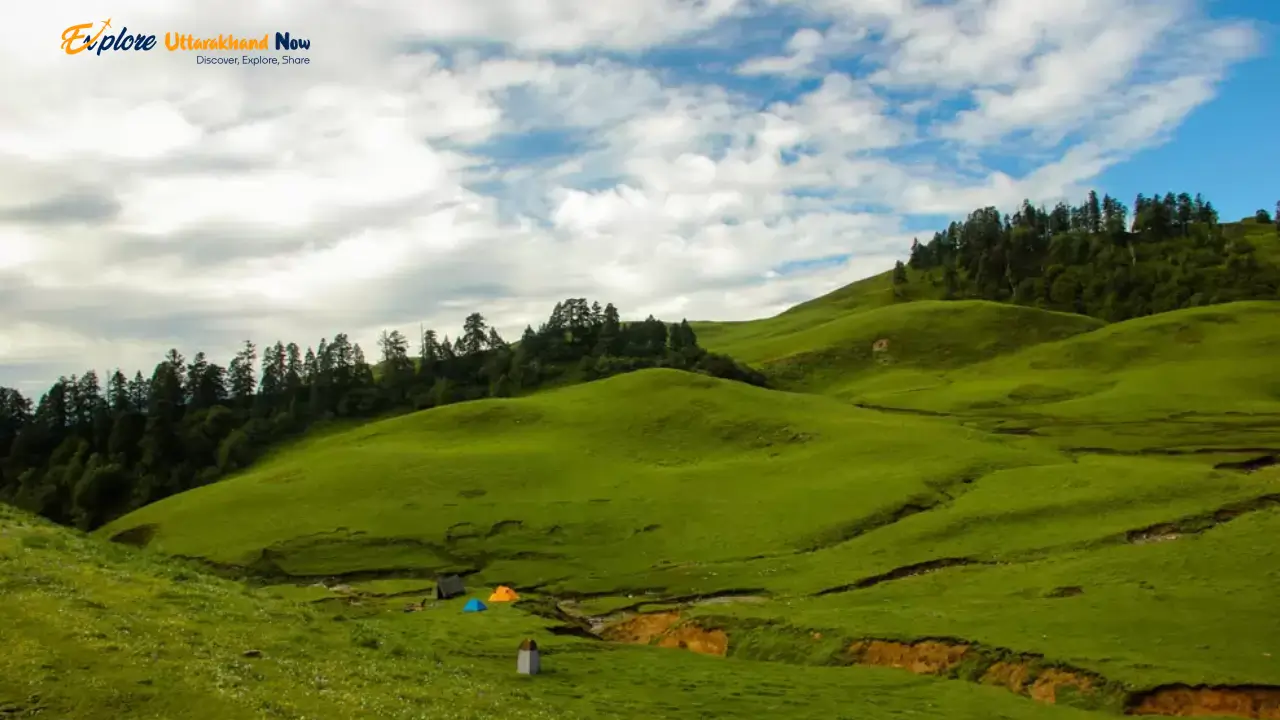
A meadow so vast it feels like the earth finally breathes free—that’s Dayara Bugyal. This trek is easy to moderate, generally enjoyed in four to five days. The meadows roll out beneath miles of sky, changing colors with the season: snowbound silence in winter, wildflower carpets in summer. The sight of Mount Bandarpoonch from these meadows is poetry for the eyes.
Solo trekker’s note: The path is clear, and the terrain is forgiving, making this a confidence-boosting choice for solo trekkers. Camp under the wide meadow skies, and you’ll discover why silence is often the sweetest companion.
Chopta Chandrashila Trek
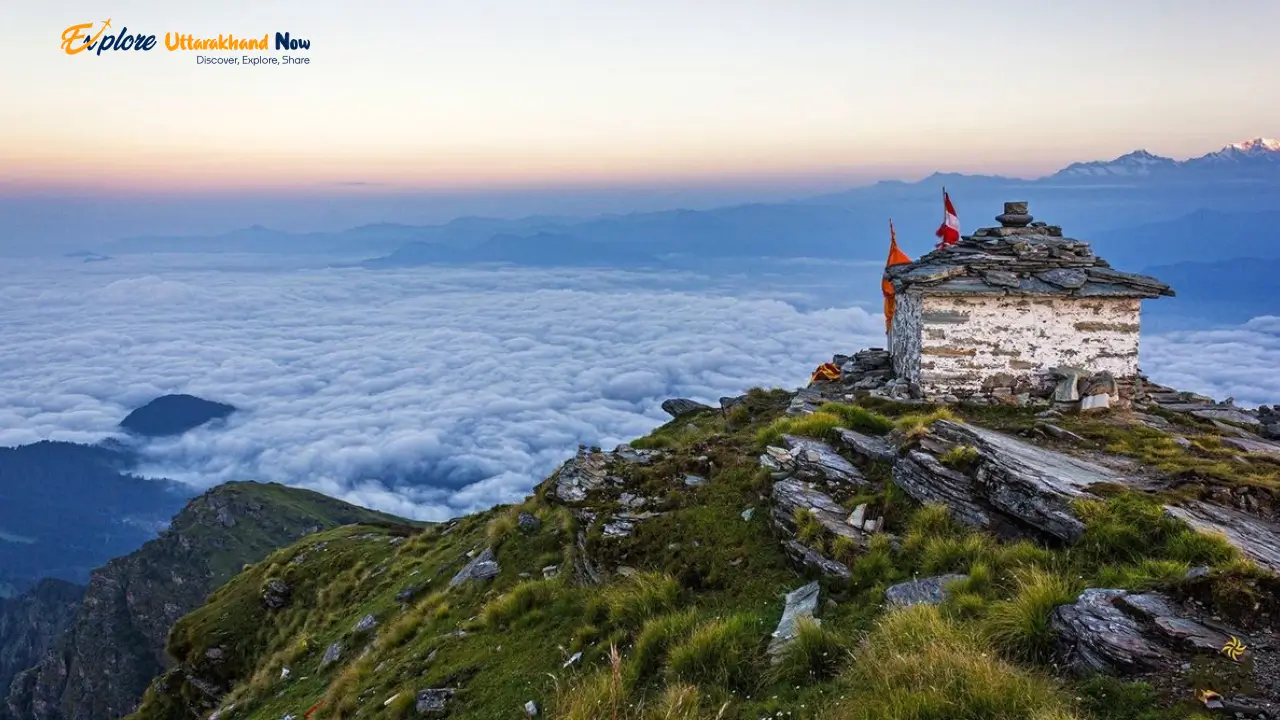
Chopta is often called the mini Switzerland of India, and rightly so. This trek, taking four to five days, is easy to moderate. It takes you through forests lined with rhododendrons, to Tungnath, the highest Shiva temple in the world, and finally to the Chandrashila summit. At sunrise, the Himalayan range glows like molten gold, a memory that etches itself deep into the heart.
Solo trekker’s note: Because of its religious significance and popularity, there’s always some company on the trail. If you want the comfort of knowing you’re never too far from help, this is a comforting choice.
Valley of Flowers Trek
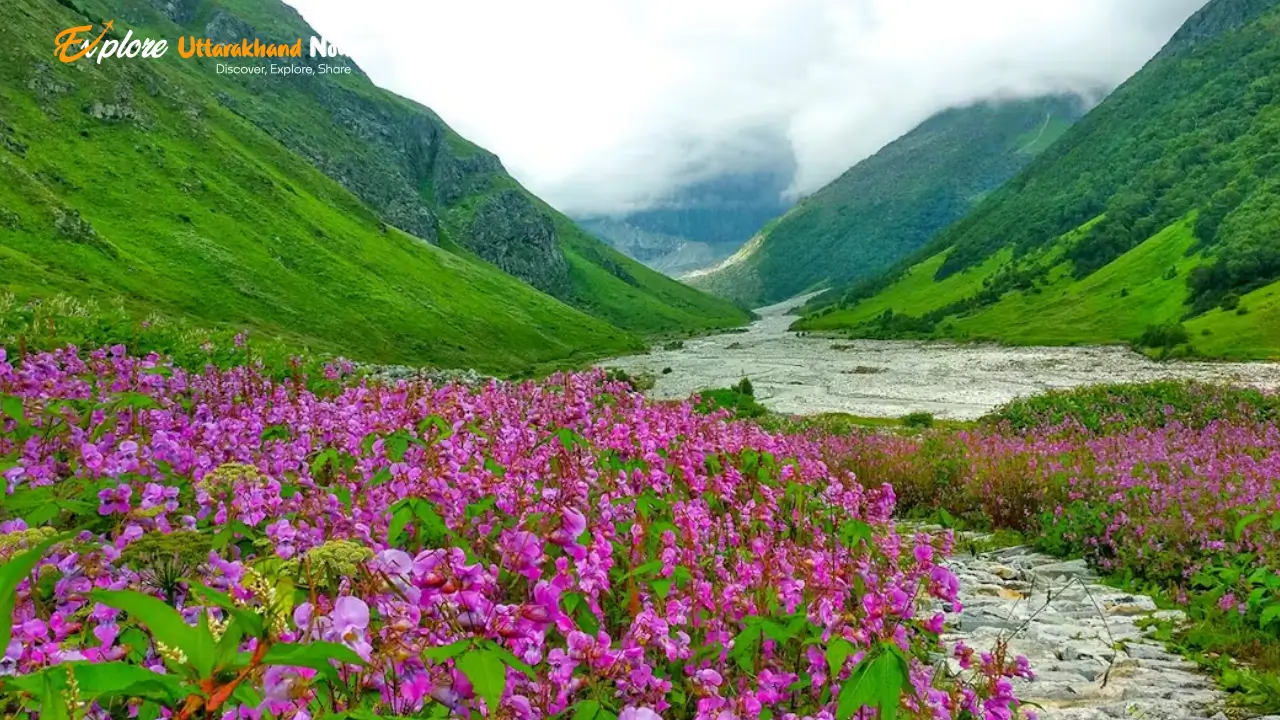
When monsoon rains brush their magic over the Himalayas, the Valley of Flowers comes alive in riotous bloom. This trek, about six days in duration, is moderately easy but seasonally dependent, best done from July to early September. Imagine walking through alpine meadows where every step reveals new hues—blue poppies, brahmakamal, orchids—all framed by misty peaks. Add the nearby Hemkund Sahib Gurudwara, sitting by a glacial lake, for the kind of peace that anchors your soul.
Solo trekker’s note: This is one of the most secure treks for solos because of clear, well-trodden paths and the steady presence of pilgrims heading to Hemkund Sahib.
Brahmatal Trek
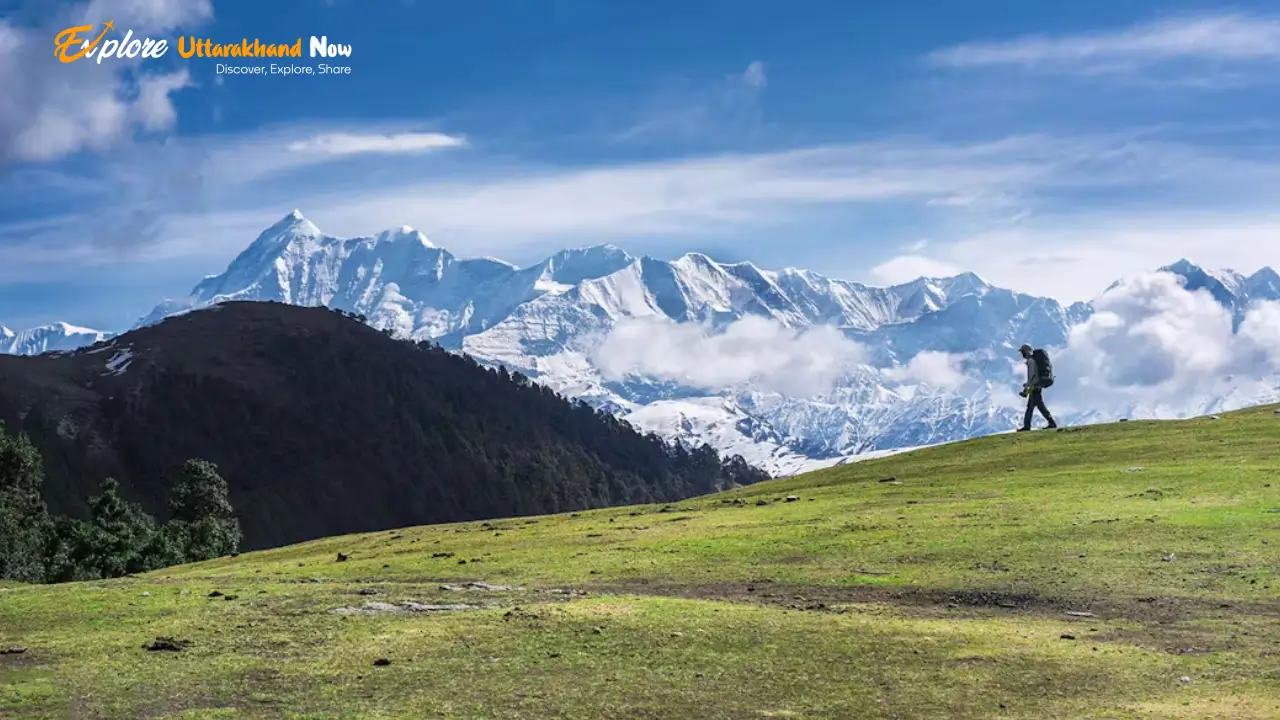
If you love trekking in winter, Brahmatal is a pure gift. Taking about five to six days, it is moderate in difficulty. Frozen lakes, oak and rhododendron forests, and a summit view of Mt Trishul and Nanda Ghunti make it truly spectacular. On a clear night, you’ll find the Milky Way stretching out above the snowfield like an ancient story still being told.
Solo trekker’s note: Winter brings heavy snow, so if this is your solo adventure, ensure you have good gear and maybe share nights at local lodges along the way.
Kuari Pass Trek
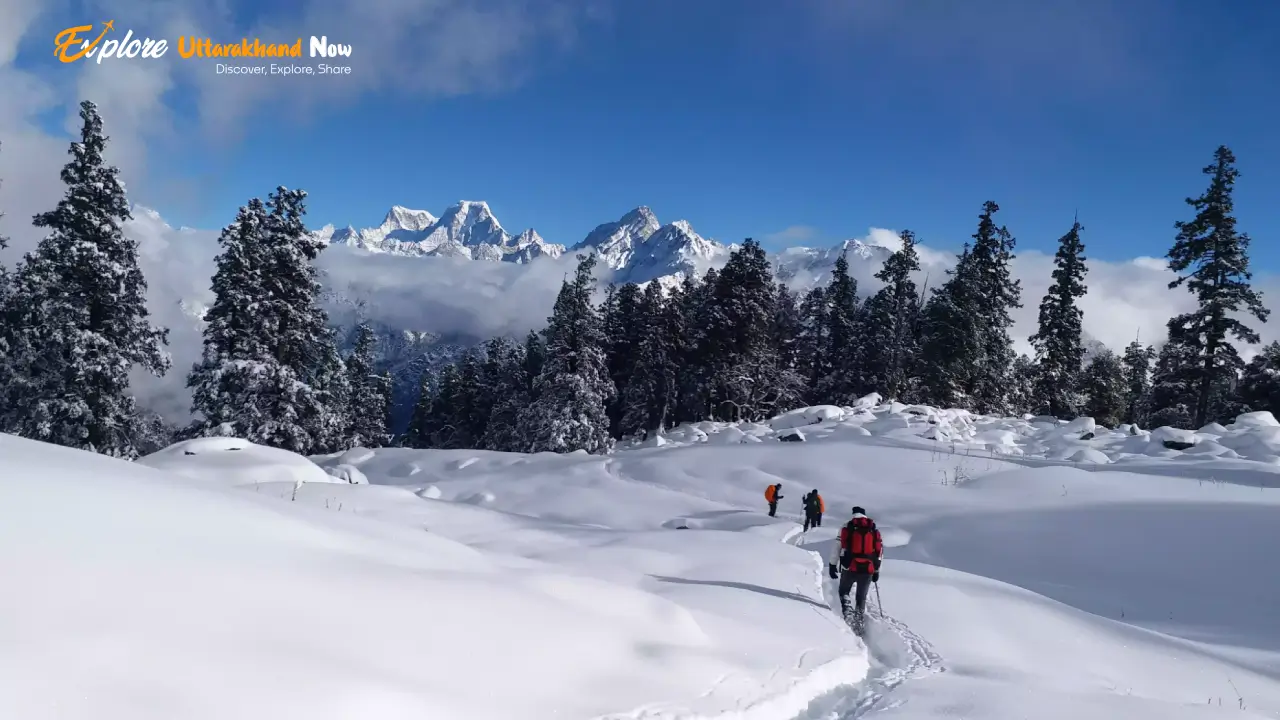
Known as the Curzon Trail, Kuari Pass is a moderate trek of six to seven days. The allure here lies in its grand vistas of some of the tallest Himalayan peaks, including Kamet, Dronagiri, Chaukhamba, and Nanda Devi herself. The trail winds through high meadows where shepherds graze their flocks, and in the evenings, you feel cocooned in an untouched world.
Solo trekker’s note: Trekkers often say Kuari’s trail feels like the perfect blend of challenge and ease. For a solo traveler, that balance makes it rewarding and reassuring.
Adi Kailash and Om Parvat Trek
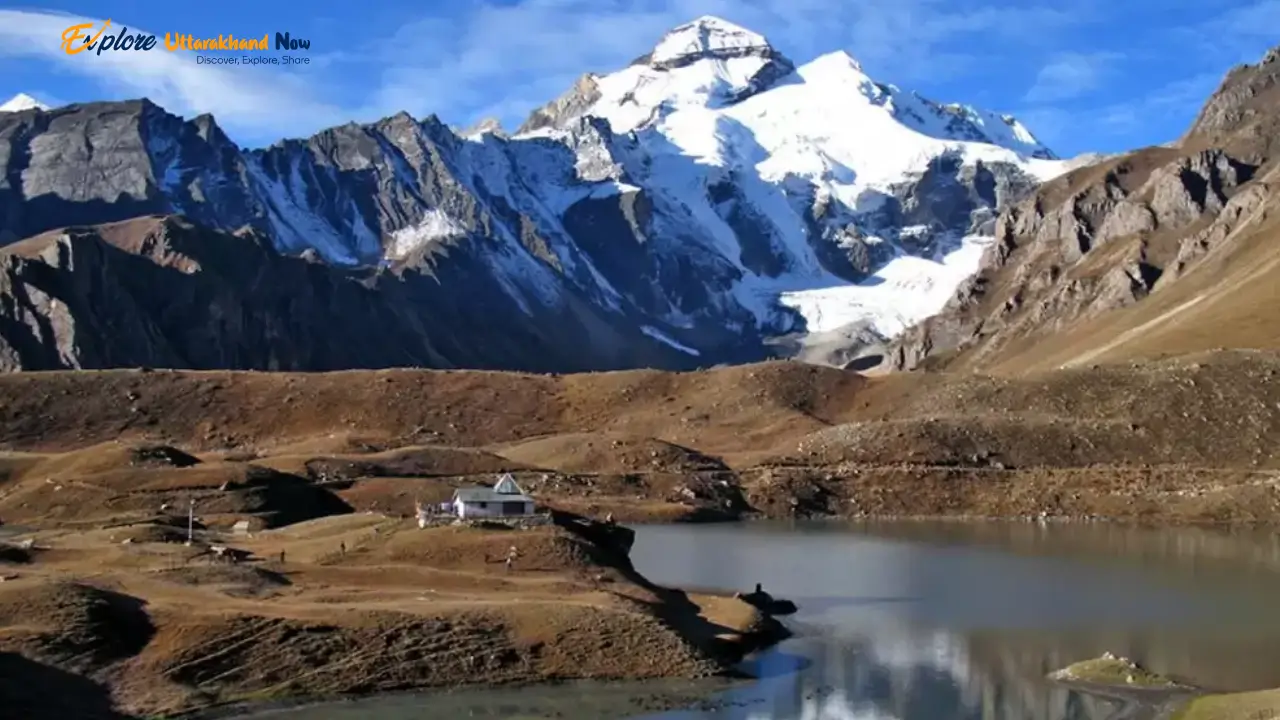
This is where trekking merges with deep spiritual energy. Adi Kailash is often referred to as the Chhota Kailash, and Om Parvat is famed for the natural formation of the sacred Om symbol on its face. It is a long and challenging trek, usually taking ten to twelve days, and definitely lies on the harder side compared to others mentioned here. The rewards are both physical and spiritual—you move through stunning landscapes while standing before sites that radiate profound devotion.
Solo trekker’s note: This trek is less about being alone and more about being guided, spiritually and practically. If venturing solo, consider pairing with a local group for safety and support.
Binsar Weekend Trek
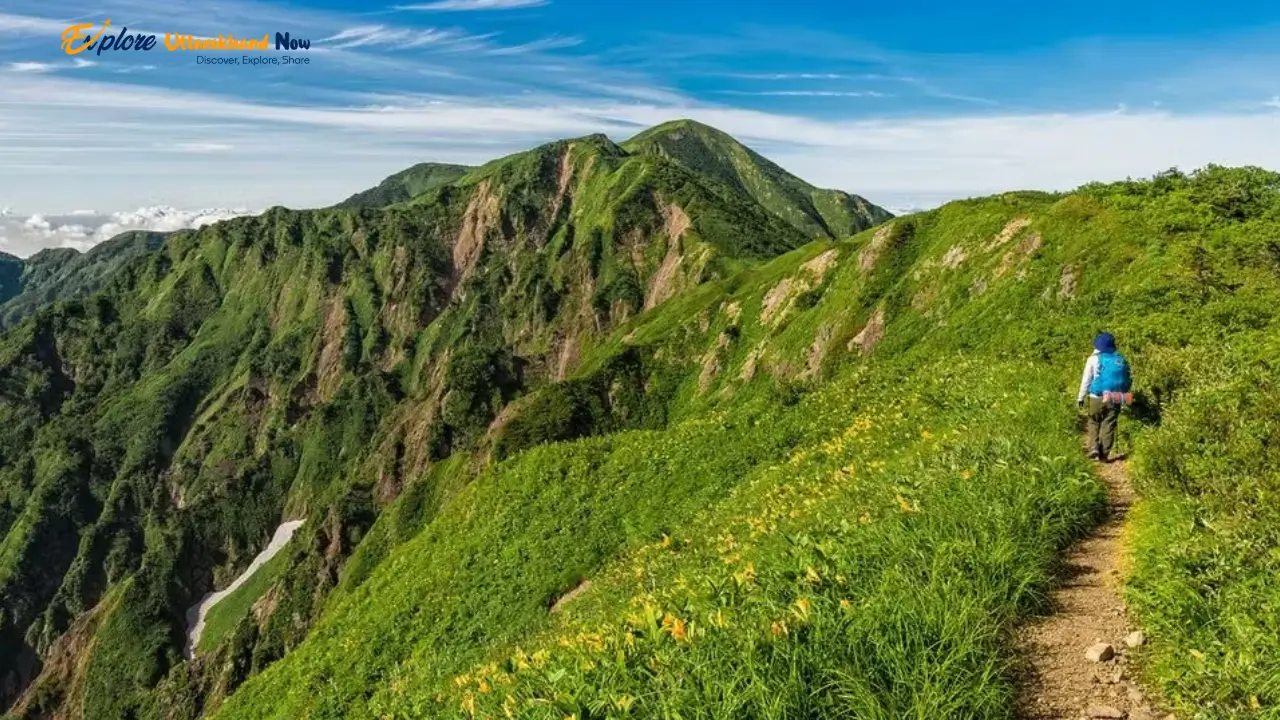
If you’re craving a micro-adventure, the Binsar trek fits perfectly into a long weekend. It is easy and requires only two to three days. Nestled within the Binsar Wildlife Sanctuary, you may spot deer or hear the call of exotic birds as you walk through thick oak trees. At sunrise from Zero Point, watch the Himalayan giants—Kedarnath, Shivling, and Trishul—wake up with the first rays of light.
Solo trekker’s note: This trek is safe, short, and can be enjoyed with minimal gear. It’s also perfect for testing the waters if you’re unsure about handling loneliness on longer trails.
Essential Information for Solo Trekkers
Safety always comes first. Trekking alone in Uttarakhand is absolutely possible and deeply rewarding, but share your itinerary with family or friends before you leave. Check weather forecasts daily because a sunny morning can quickly turn into a stormy afternoon in the mountains. Always carry a first-aid kit, and for treks like Adi Kailash or Har Ki Dun, think about hiring a local guide. A guide does not take away your independence—it adds a layer of confidence.
The best time to go depends on what you want. Spring gives you rhododendrons in bloom. Summer offers clear trails and mild weather. Monsoons gift you the surreal Valley of Flowers but bring slippery paths. Autumn rewards trekkers with sharp, golden clarity in the skies, and winter, though the harshest, is the most magical for snow lovers.
Is solo trekking a good idea? The answer is yes, provided you respect the mountain’s power. Go in prepared, stay cautious, and listen to your body. What age is best? Trekking has no rigid age bracket. I have met teenagers exuberant at their first summit and retirees quietly absorbing every mountain sunrise. The right age is when your heart tells you it is time.
FAQs
Do we require any permit to trek in Uttarakhand?
Yes, many treks require permits, especially those that pass through protected forests or national parks. These are usually easy to obtain through forest offices or your trek operator.
Can we trek in Uttarakhand?
Absolutely. Uttarakhand is one of India’s most trekker-friendly states. While some trails may be restricted during heavy snow or monsoon, there’s always a trek open in some season.
Can we use our own tents on Uttarakhand treks?
Yes, if you are comfortable carrying your gear, you can use your own tent. In fact, many seasoned trekkers love the independence this brings.
How many treks are there in Uttarakhand?
There are more than a hundred recognized treks in Uttarakhand, ranging from half-day jaunts to journeys lasting two weeks or more.
Which are the best weekend treks in Uttarakhand?
Nag Tibba and Binsar are excellent choices for weekend escapes, balancing effort and reward beautifully.
Best treks in Uttarakhand in November?
Brahmatal, Kedarkantha, and Kuari Pass are perfect for pre-winter adventures.
Best summer trek in Uttarakhand?
Dayara Bugyal and Har Ki Dun shine brightest between May and June.
Best monsoon trek in Uttarakhand?
Valley of Flowers takes the crown here—it is the very definition of monsoon magic.
Best winter treks in Uttarakhand?
Kedarkantha and Brahmatal remain unmatched for snow trekking experiences.
Conclusion
Treks in Uttarakhand are not merely trails carved through forests and meadows; they are living stories where the protagonist is you. From the meadows of Dayara to the divine call of Adi Kailash, each trail brings something unique. Some treks are forgiving and easy like Nag Tibba or Binsar, while others like Adi Kailash challenge the mind and body. Whether you are seeking physical adventure, spiritual awakening, or simply an escape from the world’s noise, Uttarakhand has a trail waiting for you.
The beauty of solo trekking lies not only in conquering distances but in discovering the inner landscapes of courage and quiet that unlock only when you walk alone. So lace up your boots, pack your rucksack, and take that leap. Somewhere in Uttarakhand, a trail is waiting to change you forever.