There is something unforgettable about Uttarakhand. It is not just the sight of the snow shining on peaks like Nanda Devi, or the sacred rivers that flow like silver threads through valleys, or the cedar and pine forests that whisper ancient secrets. It is the feeling that the very air is alive with rhythm and song. The mountains do not remain silent here—they hum with stories, and their echoes are found in the music and dance of the people.
To walk into a village festival is to step into a world where art is not confined to a stage. It spills into the courtyard, the fields, and the temples. The dhol begins to beat, voices rise in unison, and suddenly the Himalayas seem to be breathing through sound and movement. This is the cultural heartbeat of Uttarakhand, carried lovingly through generations.
The Melody of the Mountains
The music of Uttarakhand rests on two strong pillars—its vibrant folk traditions and its subtle classical influences. The classical roots, nurtured by devotional practices and temple rituals, bring structure and solemnity. But it is the folk music, sung in the lilting dialects of Garhwali and Kumauni, that truly carries the pulse of the land.
These songs are inseparable from daily life. They accompany sowing and harvesting, birth celebrations and weddings, departures and homecomings. They are heard in small village gatherings, in bustling fairs, and in the solitude of mountain trails where a shepherd hums a tune to his flock.
The soundscape is rich and textured. The hurka, a hand drum, provides a steady strum that feels like footsteps climbing a mountain path. The dhol and damau answer with thunder and heartbeat, grounding every song in earthy rhythm. The flute slips through like the wind sweeping down a valley at dusk. Together, these instruments echo the land’s ruggedness and beauty.
The lyrics often sing of nature—flowers blooming in alpine meadows, rivers carving valleys, snow that both blesses and isolates. Love, too, finds its voice in these songs, sometimes tender, sometimes aching with separation, as in the Khuded songs of women whose husbands have left for work in faraway towns. History and mythology weave their way in as well, preserving tales of valor and devotion in verses passed down orally.
What are the different types of folk songs in Uttarakhand?
Uttarakhand features a wide range of folk songs, including:
Bajuband: Love songs expressing sacrifice and romance, sung during farming seasons by village women.
Basanti: Energetic songs celebrating the spring season, with themes of romance and blooming nature; performed in groups.
Chhopati: Rhythmic songs with hand-clapping, focusing on love, nature, and rural life; often in call-and-response format.
Chhura: Lively shepherd songs about herding animals, love, and rural experiences; sung by men with fast rhythms.
Chounphula: Songs appreciating seasonal flowers and nature, symbolizing life’s cycles.
Jhumeila: Tribal songs combined with dance, expressing joy and community bonding.
Khuded: Melancholic songs narrating women’s sufferings, separation, and longing.
Mangal Geet: Auspicious songs for weddings, births, and milestones, invoking blessings.
Puja Songs: Devotional chants for worship, exorcism, or honoring deities.
Jagar: Ritualistic songs for invoking gods.
These types highlight the music’s role in daily life, festivals, and rituals, with over 50 variations documented.
What Are The Musical Instrument Of Uttarakhand
Uttarakhand’s folk music relies heavily on traditional instruments that complement its diverse songs and dances, reflecting the region’s cultural and spiritual heritage. These instruments, used in Garhwali and Kumaoni traditions, are primarily percussion, wind, and string-based, enhancing the rhythmic and melodic essence of performances during festivals, rituals (like Jagar), and daily life. Below is a detailed overview of the key musical instruments used in Uttarakhand:
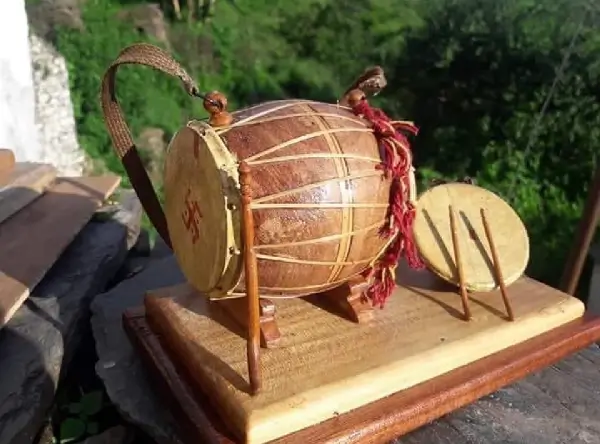
Key Musical Instruments of Uttarakhand
Dhol: A double-headed barrel drum, considered the cornerstone of Uttarakhandi folk music.
Use: Played with sticks or hands, it provides the primary rhythm for folk dances (e.g., Choliya, Jhora) and songs like Jagar and Mangal Geet. Its deep, resonant sound drives energetic performances.
Cultural Role: Essential in weddings, festivals, and religious ceremonies; often paired with the damau.
Damau (Damoun): A small, double-headed drum, typically slung over the shoulder and played with hands or sticks.
Use: Complements the dhol, adding intricate rhythms in folk songs, dances, and Jagar rituals. Its sharp, high-pitched tone contrasts the dhol’s bass.
Cultural Role: Prominent in Kumaon and Garhwal for ceremonial music, especially in spiritual contexts.
Hurka (Hudka): A small, hourglass-shaped drum, similar to a damaru, played with hands or fingers.
Use: Central to Jagar performances, providing a steady beat for ritualistic chanting. It supports the lead singer (Jagariya) in invoking deities.
Cultural Role: Associated with spiritual and shamanistic traditions, particularly in Kumaon.
Ransingha: A curved, trumpet-like wind instrument made of copper or brass, resembling a horn.
Use: Produces loud, piercing sounds to signal the start of ceremonies, dances, or rituals. Often used in processions and Choliya dance music.
Cultural Role: Symbolizes festivity and martial spirit, common in Kumaon weddings and fairs.
Turri (Turi): A small, straight trumpet made of metal, producing sharp, high-pitched notes.
Use: Played in pairs or solo to create melodic fanfares during festivals, religious events, and dances like Pandav Nritya.
Cultural Role: Adds vibrancy to celebrations, often signaling auspicious moments.
Thali: A metal plate or gong, struck with a stick or mallet to produce a resonant, bell-like sound.
Use: Used in Jagar rituals and devotional songs to maintain rhythm and create a sacred ambiance.
Cultural Role: Enhances spiritual music, often paired with hurka or dhol in ceremonies.
Binai (Bhankora): A flute-like wind instrument, made of bamboo or metal, with a soft, melodic tone.
Use: Provides soulful melodies in romantic folk songs (e.g., Bajuband, Chhopati) and pastoral tunes like Chhura.
Cultural Role: Evokes emotions of love and nature, common in Kumaoni music.
Mandana (Mandal): A circular, single-headed drum, similar to a large tambourine, played with hands or sticks.
Use: Accompanies folk dances like Jhora and Chanchari, adding a steady beat to group performances.
Cultural Role: Popular in community celebrations, enhancing the festive mood.
Masak Baja (Bagpipe): A rare, traditional bagpipe-like instrument, made of goatskin and bamboo pipes.
Use: Played in remote Garhwal and Kumaon areas for folk songs and dances, producing a continuous drone with melody.
Cultural Role: Associated with pastoral and tribal communities, less common today but historically significant.
Harmonium: A modern keyboard instrument, adopted into Uttarakhandi music for its versatility.
Use: Provides melodic support in contemporary folk songs, devotional music, and stage performances of Garhwali/Kumaoni songs.
Cultural Role: Bridges traditional and modern music, popularized by artists like Narendra Singh Negi.
Algoza: A pair of small flutes played simultaneously, producing a dual-tone melody.
Use: Rare but used in specific Kumaoni folk songs to create harmonious, folkloric sounds.
Cultural Role: Adds a unique texture to pastoral and romantic songs.
Nagada: A large, kettle-like drum, played with sticks for a booming sound.
Use: Used in grand processions, temple rituals, and martial dances like Choliya to create a commanding rhythm.
Cultural Role: Symbolizes power and festivity, often in religious or communal gatherings.
Dholki: A smaller version of the dhol, played with hands or sticks.
Use: Supports lighter folk songs and dances, often in intimate settings like weddings or family events.
Cultural Role: Versatile for both festive and reflective music.
Top 5 Singers in Uttarakhand
Uttarakhand’s music scene is graced by voices that carry the essence of the hills. These artists have not only preserved the region’s folk traditions but also brought them to the global stage, blending tradition with modern flair. Here are five legendary singers who have shaped the soundscape of Uttarakhand.
Narendra Singh Negi: The Voice of the Hills
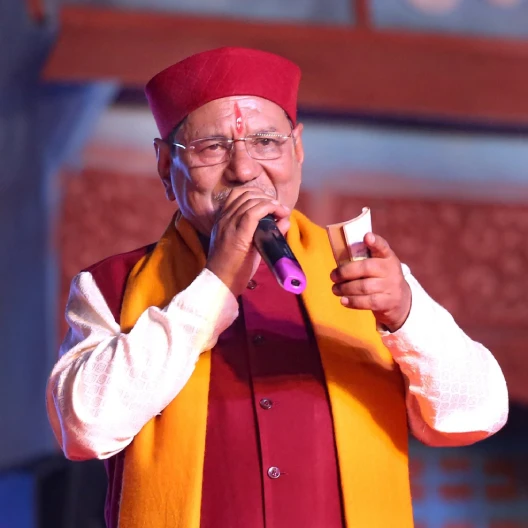
Known as the “Bob Dylan of the Hills,” Narendra Singh Negi is a living legend in Garhwali music. Born in Pauri, Garhwal, he has penned and sung over 1,000 songs, capturing the beauty, struggles, and spirit of Uttarakhand. His songs, like “Nauchhami Naraina” and “Tehri Dam,” weave stories of love, migration, and social issues, resonating deeply with the Pahadi soul. Negi’s ability to blend traditional forms like Jagar and Chhopati with contemporary melodies has made him a household name, inspiring generations to stay connected to their roots.
Meena Rana: The Lata Mangeshkar of Uttarakhand

Meena Rana, often called the “Kokila of Uttarakhand,” is a celebrated name in both Garhwali and Kumaoni music. Born in Delhi but deeply tied to her Uttarakhandi heritage, she began her musical journey at a young age, performing at the Akashwani Club in Mussoorie. Her soulful voice has graced countless albums, blending traditional folk with languages like Jaunsari and Rajasthani. Songs like “Bhalu Lagdu” showcase her ability to evoke nostalgia and warmth, making her a beloved figure across the region.
Basanti Bisht: The Trailblazing Jagar Singer
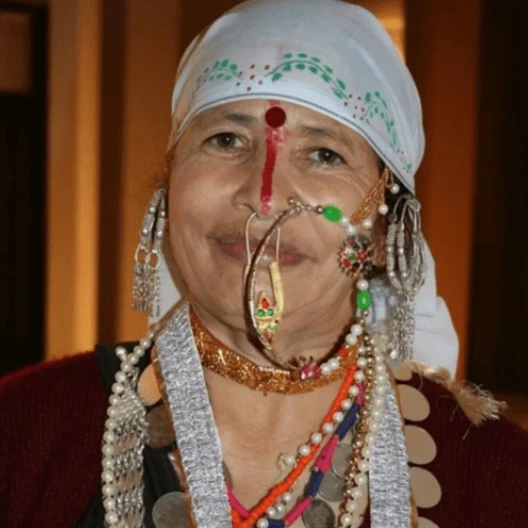
Basanti Bisht, born in Chamoli, broke barriers as the first woman to sing Jagar, a traditionally male-dominated spiritual folk form. Honored with the Padma Shri in 2017, her enchanting performances breathe life into Uttarakhand’s devotional music. Her songs, often dedicated to local deities, carry a spiritual depth that connects listeners to the divine. Basanti’s work is a testament to the power of perseverance, proving that tradition can evolve while staying true to its essence.
Preetam Bhartwan: The Jagar Samrat

Preetam Bhartwan is a master of Jagar, bringing the spiritual and cultural narratives of Uttarakhand to life. His soul-stirring performances, like “Saruli” and “Rajuli,” blend devotion with the region’s folklore. Bhartwan’s music is a bridge between the past and present, preserving ancient stories while appealing to modern audiences. His contribution to Uttarakhand’s folk music has earned him a dedicated following and a place among the region’s musical greats.
Manglesh Dangwal: The Modern Folk Star
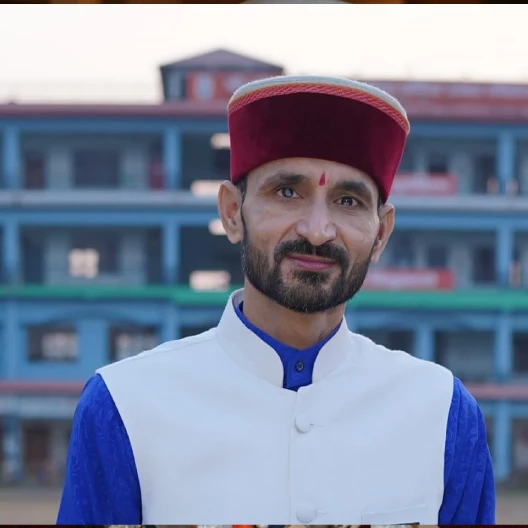
Manglesh Dangwal represents the new wave of Uttarakhandi music, blending traditional Garhwali sounds with pop influences. His energetic performances and catchy melodies have made him a favorite among younger audiences. Songs like those produced with Meena Rana showcase his ability to keep the folk spirit alive while embracing contemporary rhythms. Manglesh’s music is a celebration of Uttarakhand’s vibrant culture, ensuring its relevance in the digital age.
Dive deeper into Uttarakhand’s music! Find complete Garhwali song lyrics of Narendra Singh Negi and other legendary artists—all in one place. Click below to explore more.
Uttarakhand Music: A Melody of the Mountains
The music of Uttarakhand is as diverse as its landscapes, rooted in the region’s natural beauty and cultural heritage. From the soulful strains of Garhwali ballads to the upbeat rhythms of Kumaoni folk, every note tells a story of the hills. The music is deeply tied to the lives of the people, reflecting their connection to nature, festivals, and spirituality.
Folk Music of Uttarakhand
Folk music is the heartbeat of Uttarakhand, preserving the region’s oral traditions and cultural identity. Garhwali and Kumaoni music, the two main streams, differ in tone but share a love for storytelling. Garhwali music often carries romantic and devotional themes, with songs like “Chaita ki Chaitwali” evoking the pain of separation or the joy of love. Kumaoni music, on the other hand, is livelier, with songs like “Malushahi” narrating epic tales of romance and heroism. Instruments like the dhol, damau, turri, and ransingha add a distinct flavor, while modern additions like the tabla and harmonium bring a fresh twist to traditional tunes. Folk forms like Jagar, Khuded, and Chhopati are sung during festivals, weddings, and religious ceremonies, keeping the region’s heritage alive.
Classical Music of Uttarakhand
While folk music dominates, Uttarakhand also has a rich tradition of classical music, often intertwined with its folk forms. Classical influences can be heard in the intricate melodies of Jagar and the rhythmic patterns of songs like “Pandavani,” which narrate epic tales. Artists like Chander Singh Rahi, who studied Indian classical music, brought sophistication to folk performances, blending ragas with Pahadi rhythms. This fusion creates a unique sound that’s both timeless and deeply rooted in the region’s spiritual ethos. Classical music in Uttarakhand is less about formal concerts and more about community gatherings, where the music flows freely, connecting people to their heritage.
Uttarakhand Dance Forms: A Celebration of Culture
Dance in Uttarakhand is a vibrant expression of the region’s folklore, spirituality, and community spirit. Performed during festivals, weddings, and religious ceremonies, these dances are accompanied by live music, with instruments like the dhol and damau setting the rhythm. Each dance form tells a story, reflecting the region’s history and beliefs.
Pandav Nritya
Pandav Nritya is a captivating dance that brings the Mahabharata to life. Performed in Chamoli and Pauri Garhwal, especially during Dussehra and Diwali, it narrates the epic tale of the Pandavas through music and movement. Dancers, believed to be possessed by the spirits of the Pandavas, enact scenes from the epic, culminating in a grand feast for the village. The dance is a beautiful blend of devotion and storytelling, preserving Uttarakhand’s connection to its mythological past.
Bhotia Dance
The Bhotia tribe of Garhwal performs this unique dance as part of death rituals, believing that the souls of the deceased reside in animals like goats. Known as Dhurang or Dhuring, the dance is a solemn yet powerful expression of liberation, helping the soul transition to the afterlife. Its haunting movements and rhythms reflect the tribe’s deep spiritual beliefs, making it a poignant part of Uttarakhand’s cultural mosaic.
Jagars Dance
Jagars dance is a spiritual performance tied to the worship of local deities and spirits. Accompanied by Jagar songs, it’s a rhythmic invocation that often induces a trance-like state in performers. The dance is prevalent across Uttarakhand, with Basanti Bisht being a pioneer in bringing its sacred melodies to wider audiences. Jagars are performed during religious ceremonies, connecting communities to their divine protectors.
Jhumela Dance
Jhumela is a joyful dance performed by women, especially during festivals like Basant Panchami and Baisakhi. Its lively steps and group formations celebrate the arrival of spring and the harvest season. Accompanied by folk songs and instruments like the dholak, Jhumela is a vibrant display of community spirit and feminine grace, filling the air with energy and celebration.
Tandi Dance
Tandi is a traditional dance from the Kumaon region, often performed during weddings and festivals. It’s a romantic and playful dance where men and women pair up, moving to the beat of the hurka (a small drum). The dance reflects the region’s love for nature and community, with steps that mimic the rhythms of the hills. Tandi is a reminder of the simple joys found in togetherness.
Chhopati Dance
Chhopati, meaning “to clap,” is a lively group dance from Garhwal where performers clap rhythmically to folk songs. Sung by both men and women, Chhopati songs often explore themes of love and daily life, with lyrics that resonate with the region’s rustic charm. The dance is a staple at weddings and festivals, bringing people together in a shared celebration of their culture.
The Heart of Uttarakhand’s Culture
The music and dance of Uttarakhand are more than just performances; they are a way of life, weaving together the region’s history, spirituality, and community spirit. Singers like Narendra Singh Negi, Meena Rana, Basanti Bisht, Preetam Bhartwan, and Manglesh Dangwal have kept these traditions alive, blending the old with the new to reach global audiences. From the devotional strains of Jagar to the lively steps of Chhopati, Uttarakhand’s cultural heritage is a vibrant tapestry that continues to thrive.
Whether it’s the haunting melodies echoing through the hills or the rhythmic claps of a Chhopati dance, Uttarakhand’s music and dance invite us to connect with its soul. They remind us of the beauty of simplicity, the power of tradition, and the joy of community. So, the next time you hear a Garhwali or Kumaoni tune, let it transport you to the serene hills of Uttarakhand, where every note and step tells a story of the mountains.
What are the most famous folk dances of Uttarakhand and their significance?
Choliya (martial valor), Jhora (community unity), Pandav Nritya (mythological heritage), Barada Nati (tribal life), and Chanchari (festive dexterity) reflect Uttarakhand’s culture, performed at weddings and festivals.
Which musical instruments are unique to Uttarakhand’s traditional music?
Dhol, damau, hurka, ransingha, turri, binai, and masak baja are unique, driving rhythms and melodies in folk songs, dances, and rituals like Jagar, reflecting Himalayan traditions.
How do Uttarakhand’s music and dance reflect local life and spiritual beliefs?
Folk songs and dances like Jagar, Chhura, and Jhora narrate rural life, love, and devotion, invoking deities and celebrating nature, embodying Uttarakhand’s Himalayan lifestyle and spiritual heritage.
Are these music and dance forms connected to specific festivals or seasons?
Yes, Jhora and Basanti mark spring, Pandav Nritya is for Diwali/Dussehra, Choliya and Mangal Geet for weddings, and Jagar for rituals like Harela, aligning with seasons and festivals.
I’m visiting Uttarakhand. Where can I experience an authentic performance?
Visit Almora (Kumaon fairs), Pithoragarh (Choliya at weddings), Uttarayani Mela, Dehradun (Barada Nati), or Chamoli (Pandav Nritya during Diwali). Local festivals like Harela or cultural centers offer authentic performances.